writing

Adekunle and the Iroko Tree

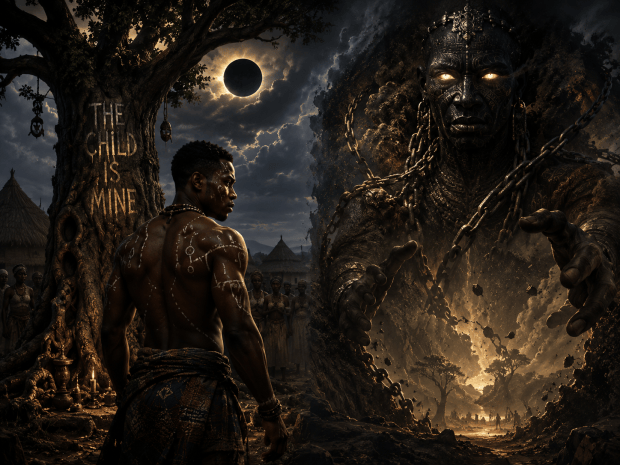
The night Adekunle was born, the moon turned black,
and every drum in Ile-Aro began to beat alone.
His mother, Morenike, held him against her breast
while thunder rolled beneath the earth, not above it.

By morning, an iroko had risen beside their home,
though no tree had stood there the night before.
Upon its trunk were carved three words:
THE CHILD IS MINE.

Adekunle grew knowing nothing of this omen.
He wrestled with boys, hunted with his father,
laughed with his sister Yetunde beside the river,
and dreamed of becoming a warrior like other men.

But strange things followed him.
Snakes curled peacefully around his sleeping feet.
Fire refused to burn his skin.
And whenever he bled, flowers grew from the soil.

On his twenty-first birthday,
the sacred iroko split open.

From beneath its roots came a voice
so deep the village walls began to tremble.

“Adekunle.”

His mother dropped to her knees.

“Do not answer.”

Again the voice called.

“Adekunle, my son.”

Then Morenike confessed what she had hidden for years:
his father was not the man who had raised him,
but Ajalorun, an ancient being beneath the earth—
a forgotten god whose name belonged to no temple.

Long ago, men had chained Ajalorun beneath the iroko
after he tried to open the gates between spirits and men.
But gods cannot break chains forged by human hands.

Their children can.

The earth suddenly opened across Ile-Aro.
From the darkness rose warriors without faces,
carrying spears carved from human bones.

Adekunle reached for his father’s sword.

But the voice beneath the tree laughed.

“That weapon cannot save them.”

The iroko roots curled around Adekunle’s feet.

“Break my chains, and I will destroy their enemies.”

Adekunle looked toward his burning village,
then toward Morenike, who was quietly weeping.

“Mother… why are you afraid?”

She looked at her son and whispered,

“Because those creatures are not attacking the village.”

The faceless warriors suddenly knelt before Adekunle.

“They came to welcome their prince.”
Separate Yourself

Do not be counted among the men
who turn tenderness into a battlefield,
who bruise the very hands
that once reached for them in love.

Do not be counted among the women
who make a religion of resentment,
who mistake bitterness for wisdom
and wound every man for the sins of one.

Do not sit among the crowd
that swallows lies like bread,
that claps for chains
because the chains are polished.

Do not belong to the species
that murders the forest, poisons the river,
and still kneels to pray
for clean air and mercy.

Do not walk with those
who steal innocence from children,
who break small souls
and call their darkness desire.

Do not join the naïve
who blame the sky for their shadows,
who curse the road, the season, the stranger,
but never the hands that chose the path.

Do not become the fool
who laughs at history,
then bleeds beneath the wheel
he was warned would turn again.

Do not be so swallowed by noise
that you forget the sound of your own name.
Do not wander so far into the crowd
that your reflection becomes a stranger.

Remember who you were
before the world taught you disguise.
Remember who you are
beneath applause, failure, fear, and dust.
Remember who you are becoming,
and who you must become
when the hour demands a soul with a spine.

Separate yourself
from the theatre of complaint,
from those who wake each morning
to rehearse yesterday’s excuses,
who curse the darkness
but refuse to strike a match.

Rise apart.

Not in pride,
but in purity.
Not in hatred,
but in clarity.
Not because you are better than the world,
but because you refuse
to become what is breaking it.

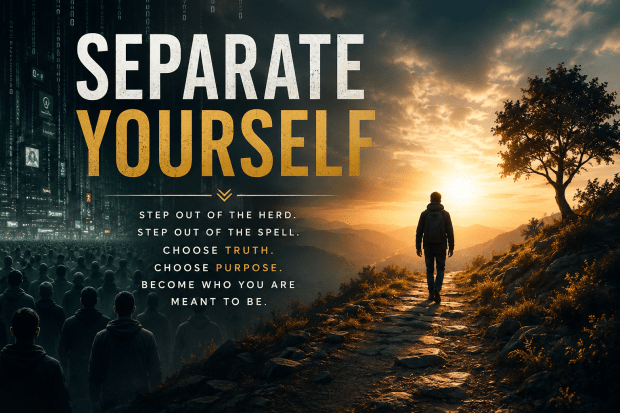
Step out of the herd.
Step out of the spell.
Step out of the matrix of borrowed anger,
borrowed opinions, borrowed despair.

Let your life become evidence
that a human being can still choose light,
can still choose discipline,
can still choose mercy,
can still choose truth
when falsehood is fashionable.

Separate yourself.

And when they ask why you walk alone,
tell them:

Some roads are too sacred
for the crowd.

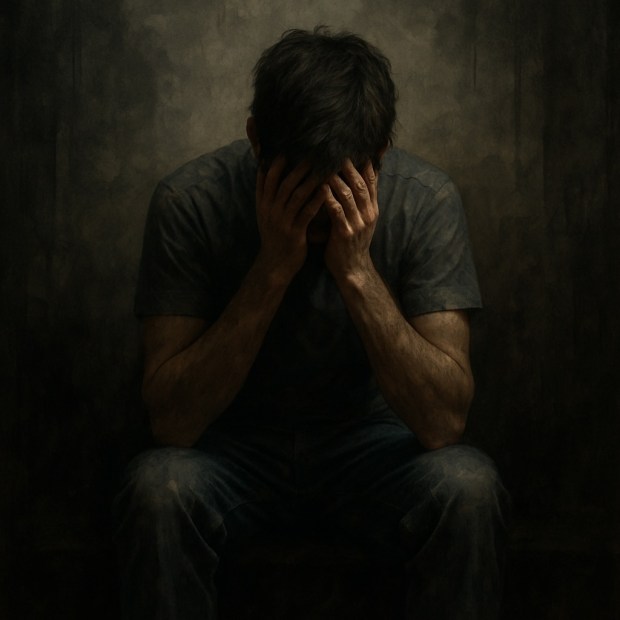
The Departed

Before you judge the soul who fell,
They may have lived a private hell.
Perhaps they cried, but none could hear,
Or reached for help that wasn’t near—
And gone too soon, the departed.

They bore the weight of cruel disdain,
Mocked and broken, scarred by pain.
Betrayed by those they held as true,
With nothing left to cling onto—
And gone too soon, the departed.

Behind closed doors, they hid their cries,
Masked their hurt with hollow lies.
Each smile a shield, each laugh a mask,
Each moment a survival task—
And gone too soon, the departed.

They weren’t selfish, just afraid.
A fragile heart the world dismayed.
Rejected, scorned, or cast aside,
Alone they suffered, though they tried—
And gone too soon, the departed.

“You don’t belong,” the echoes said.
“You’re not enough,” was daily fed.
“You’re just a burden,” burned inside.
So dreams and self-began to die—
And gone too soon, the departed.

They traded torment for release,
A restless soul who longed for peace.
They stopped a breath to stop the ache,
One silent step for their own sake—
And gone too soon, the departed.

Tired of battles, worn and bruised,
Tired of being always used.
Tired of pleading, tired of pain,
Tired of trying all in vain—
And gone too soon, the departed.

Anxiety like wildfire spread,
While midnight whispers filled their head.
Despair became their only friend,
A loss, a wound that wouldn’t mend—
And gone too soon, the departed.

The sword of hopelessness struck deep,
The storm of loneliness struck anew
Each thought a wound, unhealed, unkind.
And the ruins of shame bled straight through—
And gone too soon, the departed.

The power of powerlessness drained their flame,
Each breath, a burden; each day the same.
They fought in silence, broke apart,
With no one there to mend their heart—
And gone too soon, the departed.